Nutrition timing to improve athletic performance
Elite athletes require highly specialized fueling strategies to meet the extreme demands of training and competition. Optimal nutrition – including appropriate macronutrients, precise timing, and adequate hydration – is the foundation of peak performance and recovery. In addition, evidence-based ergogenic aids and supplements can further enhance strength, endurance, and adaptation. Below we review four key …

Elite athletes require highly specialized fueling strategies to meet the extreme demands of training and competition. Optimal nutrition – including appropriate macronutrients, precise timing, and adequate hydration – is the foundation of peak performance and recovery. In addition, evidence-based ergogenic aids and supplements can further enhance strength, endurance, and adaptation. Below we review four key nutrition strategies used by professional athletes, citing current scientific evidence for each.
1. Optimize Macronutrient Composition and Energy Intake
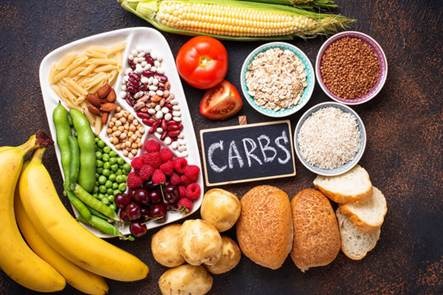
A pro-level diet emphasizes sufficient calories and the right balance of carbohydrates, protein, and fats. Carbohydrates are the primary fuel for high-intensity exercise and must match training volume. Endurance athletes may consume 8–12 g/kg/day of carbohydrate during heavy training, whereas moderate training requires 5–7 g/kg/day. In practice, athletes eat abundant whole-grain starches, fruits, and vegetables to maximize glycogen stores. For example, a carbohydrate loading phase (8–10 g/kg/day for 1–3 days pre-race) is used before competition. Protein intake must also be higher than for sedentary people. Current guidelines recommend ~1.2–2.0 g/kg/day for most athletes, with up to 2.7 g/kg in phases of muscle gain while dieting. This ensures robust repair of muscle and connective tissue. Protein should supply roughly 15–30% of total calories, coming from lean meats, dairy, eggs or plant sources (and isolated supplements if needed). Fats should comprise ~20–35% of calories, focusing on unsaturated fats and omega-3 sources (fish, nuts, olive oil). Adequate fat is crucial for vitamin absorption, hormone regulation and as a backup fuel for ultra-endurance efforts. In practice, many elite nutrition plans ensure >2 g/day of omega-3 fatty acids to mitigate inflammation. In sum, a balanced diet with high-quality carbohydrates, ample protein, and healthy fats meets the exceptionally high energy demands of pro athletes.
2. Time Meals for Training and Recovery
When an athlete eats can be as important as what they eat. Nutrient timing is used to maximize performance in training and facilitate rapid recovery after exercise. Pre-exercise meals (typically 3–4 h beforehand) are rich in carbohydrates and moderate in protein to top off glycogen stores without causing gastrointestinal distress. For instance, one guideline recommends 1–2 g/kg of carbs in a preworkout meal, with ~0.3 g/kg of protein. A smaller “top-up” snack (e.g. 20–30 g protein or 30–50 g carbohydrate) 15–30 min before activity can also help. During prolonged exercise (lasting >1 h), athletes ingest easily digestible carbohydrates (often as sports drinks or gels) at ~30–60 g per hour. This maintains blood glucose and delays fatigue. According to professional guidelines, up to ~60–90 g of carbs per hour may be used by ultra-endurance athletes. Post-exercise nutrition is critical for glycogen restoration and muscle repair. The fastest recovery occurs when athletes consume ~1.0–1.5 g/kg of carbohydrate per hour for 4–6 h after intense training. This can fully replenish muscle glycogen. In practice, sports dietitians advise a 3:1 or 4:1 carb:protein ratio in the first postworkout meal (e.g. 60–120 g carbs with 20–30 g protein within 30 min). These timed meals – planned around training and competition schedules – help “supercharge” recovery, support repeated training days, and optimize adaptation.

3. Maintain Hydration and Electrolyte Balance
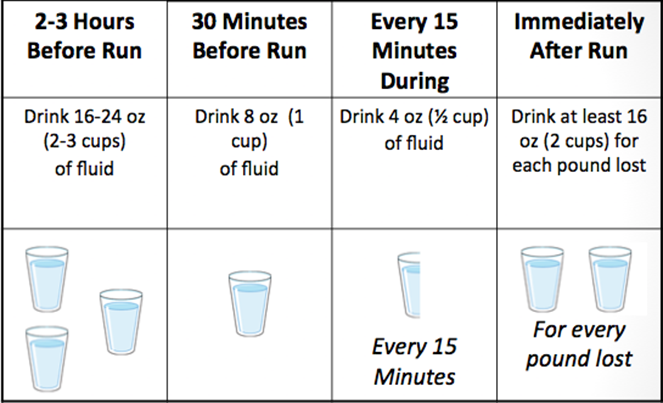
Even mild dehydration can significantly impair athletic performance. Athletes must replace water and electrolytes to sustain blood volume, cooling, and muscle function. Loss of body water by >2% (relative to body weight) reliably degrades endurance and cognitive function. For example, reviews report ~2–3% strength losses and ~10% endurance losses once dehydration exceeds 2%. To prevent this, coaches implement personalized hydration plans. Common practice is to drink ~500–600 mL (12–20 oz) about 2–3 h before exercise and another ~200–300 mL (8–10 oz) just before starting. During exercise, the goal is to replace sweat losses as much as tolerable. Guidelines suggest drinking ~150–350 mL (5–12 oz) every 15–20 minutes of intense activity. Athletes often use sports drinks (containing 4–8% carbohydrate and ~0.5–0.7 g/L sodium) during long workouts. The added sodium helps retain ingested fluid and replaces sweat sodium. After exercise, athletes weigh in and replace each kilogram lost with ~1–1.5 L of fluid. Overall, a formal hydration strategy (pre-, during-, and post-exercise) is considered standard for elite athletes to optimize thermoregulation, endurance and power.
4. Use Evidence-Based Ergogenic Aids and Recovery Fuels
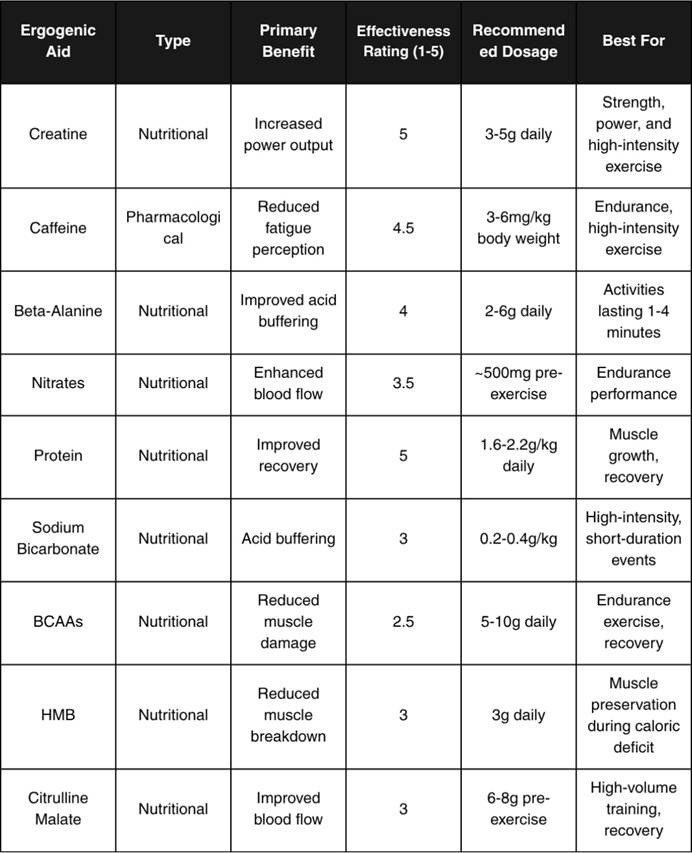
Beyond whole foods, certain validated supplements (“ergogenic aids”) can provide small but important performance gains for elite athletes. The evidence-based ergogenic aids include caffeine, creatine, β-alanine, and dietary nitrate (e.g. beetroot juice). Caffeine (3–6 mg/kg taken ~1 h pre-competition) is one of the most reliable aids, improving endurance and high-intensity performance by 2–4% on average. Creatine monohydrate (0.3 g/kg/day for 3–5 days, then ~3–5 g/day) is widely used by strength/sprint athletes: it consistently increases peak anaerobic power and lean muscle mass. β-Alanine (3–6 g/day for several weeks) boosts muscle carnosine and buffering capacity; meta-analyses show it modestly (≈2–3%) improves exercise capacity in high-intensity efforts lasting 1–4 min. Dietary nitrates (e.g. 300–600 mg nitrate from beet juice) also have ergogenic effects: recent umbrella reviews report significantly better time-to-exhaustion, greater distance covered, higher peak power output, and improved muscular endurance after nitrate loading. In practice, elite coaches may recommend chronic beetroot supplementation during training or acute dosing before events to enhance aerobic and anaerobic performance.
All supplements should be used judiciously and under medical guidance. In contrast, general “recovery fuels” such as antioxidants or vitamins are less reliably ergogenic. Instead, athletes focus on meeting needs for key micronutrients (iron, vitamin D, calcium, etc.) through diet and blood monitoring to avoid deficiency.
Conclusion: A pro athlete’s fueling plan is rigorous, individualized and science-driven. In summary: (1) consume ample high-quality carbohydrates, proteins and fats to meet training energy needs; (2) carefully time meals and snacks before, during and after training to maximize fuel availability and recovery; (3) follow a strategic hydration/electrolyte regimen to prevent >2% body-weight loss from sweat; and (4) use proven supplements like caffeine, creatine, β-alanine and beetroot nitrate to eke out additional performance gains. These strategies, grounded in up-to-date sports nutrition research, help maximize adaptation to training and performance under competition conditions. Sports physicians and coaches must tailor each strategy to the athlete’s sport, schedule and physiology, but the evidence consistently shows that “fueling like a pro” involves precision in both nutrients and timing.
References
· Amawi A, AlKasasbeh W, Jaradat M, et al. Athletes’ nutritional demands: a narrative review of nutritional requirements. Frontiers in Nutrition. 2024.
· Bytomski JR. Fueling for performance. Sports Health. 2017;10(1):47–53.
· Poon ETC, Iu JCK, Sum WMK, et al. Dietary nitrate supplementation and exercise performance: an umbrella review of 20 published systematic reviews with meta-analyses. Sports Medicine. 2025;55(5):1213–1231.
· Guest NS, VanDusseldorp TA, Nelson MT, et al. International society of sports nutrition position stand: caffeine and exercise performance. J Int Soc Sports Nutr. 2021;18:1–39.
· Buford TM, Kreider RB, Stout JR, et al. International Society of Sports Nutrition position stand: creatine supplementation and exercise. J Int Soc Sports Nutr. 2007;4:6.
· Hobson RM, Saunders B, Ball G, et al. Effects of β-alanine supplementation on exercise performance: a meta-analysis. Amino Acids. 2012;43(1):25–37.